Accessories to the fullest
In African fashion, accessories aren’t just add-ons — they’re the main event. And in Kenya, the rule has always been simple: go bold or go home.
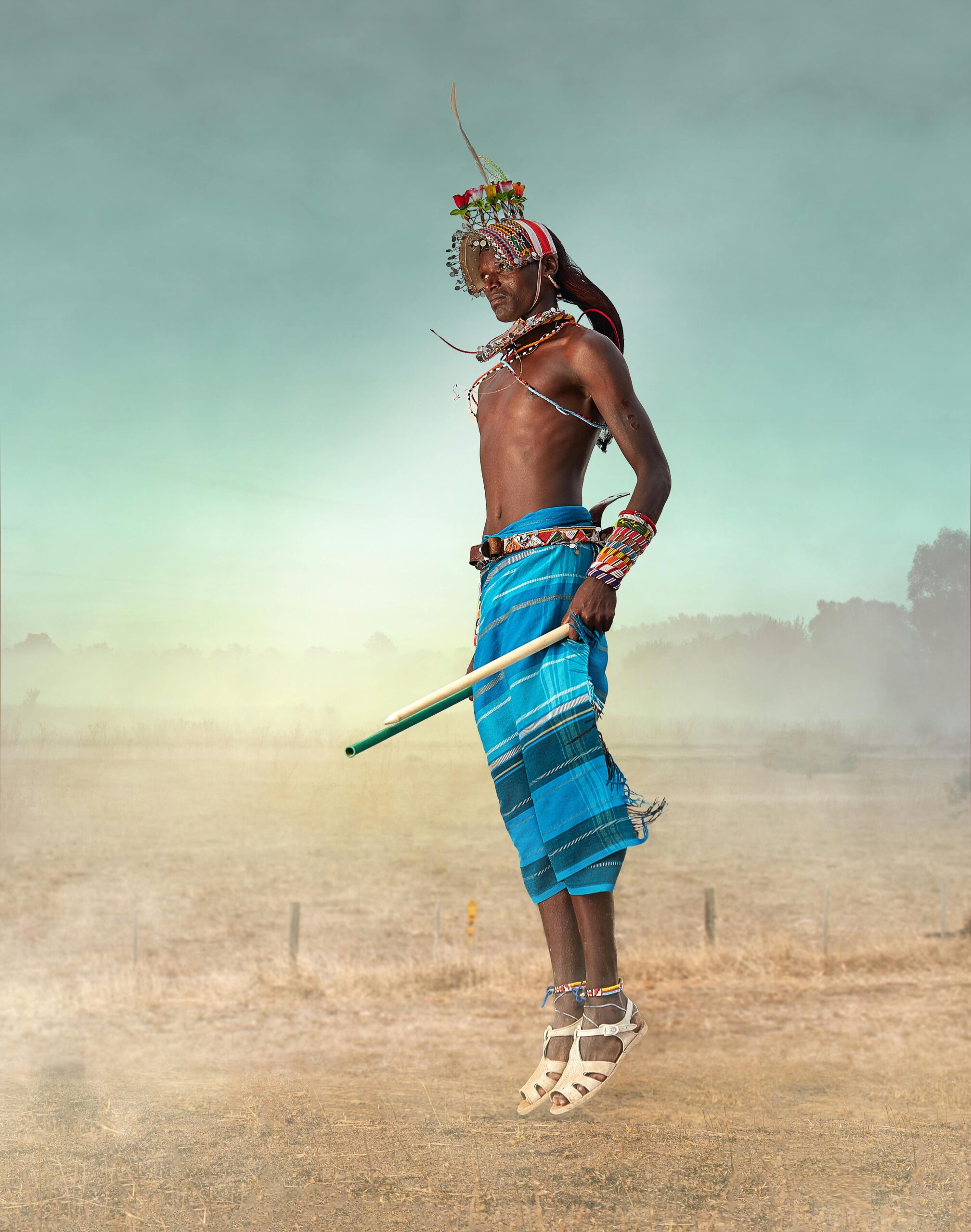
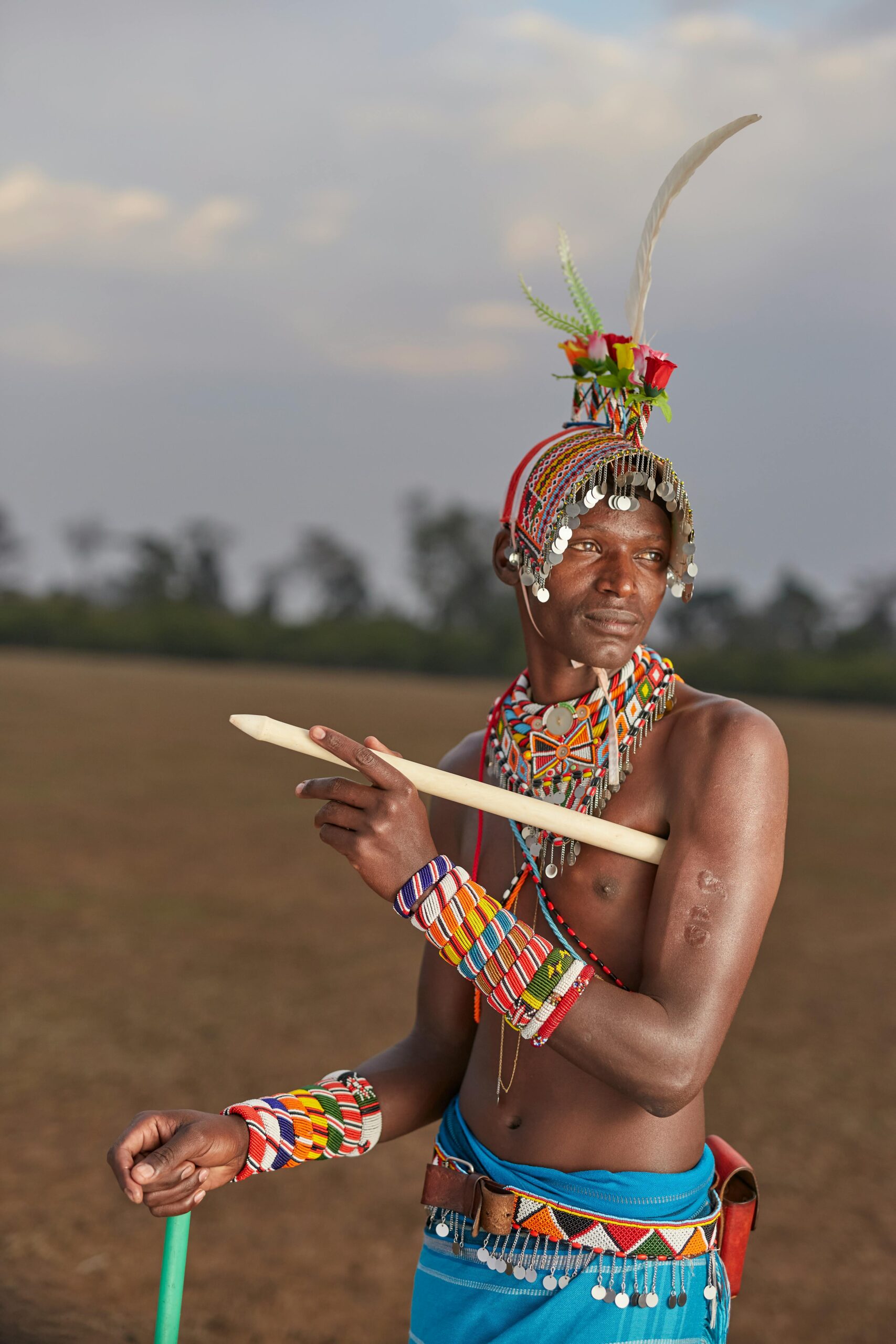
For centuries, Kenyans have rocked bright, colorful beads on just about every part of the body — neck, ears, head, arms, waist, ankles… you name it, there’s a bead for it.
Did you know? In Maasai culture, bead colors actually tell stories! Red means bravery, white stands for health, and blue represents the sky and energy. Beads weren’t just about fashion — they were even used in trade way back in the day.
But hey, it’s not all about beads. Leather has always been a star player in Kenyan style too. From shoes and belts to traditional garments, leather has been part of everyday life for generations.
Fun fact: Back in the day, hides were used not just for clothes but also for shields and ceremonial wear. Fast forward, and now leather has leveled up into chic bags that everyone wants.
And honestly, a Kenyan leather bag is kind of a must-have. Tough enough to survive the Nairobi hustle, stylish enough for brunch with the crew, and durable enough to tag along on that road trip to the Maasai Mara.
In Kenya, accessories aren’t just fashion — they’re history, culture, and everyday magic wrapped into one.
Nairobi Street style
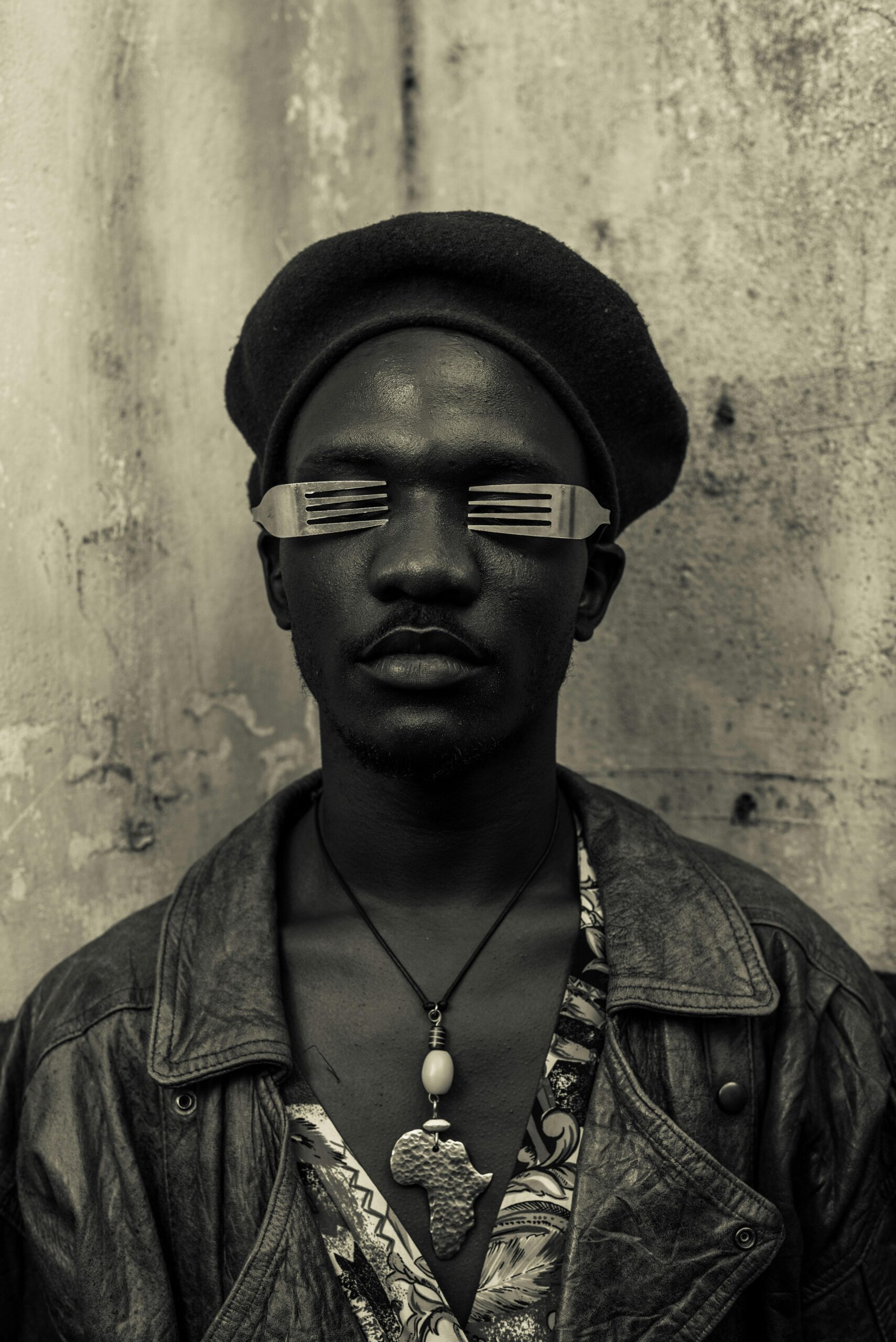
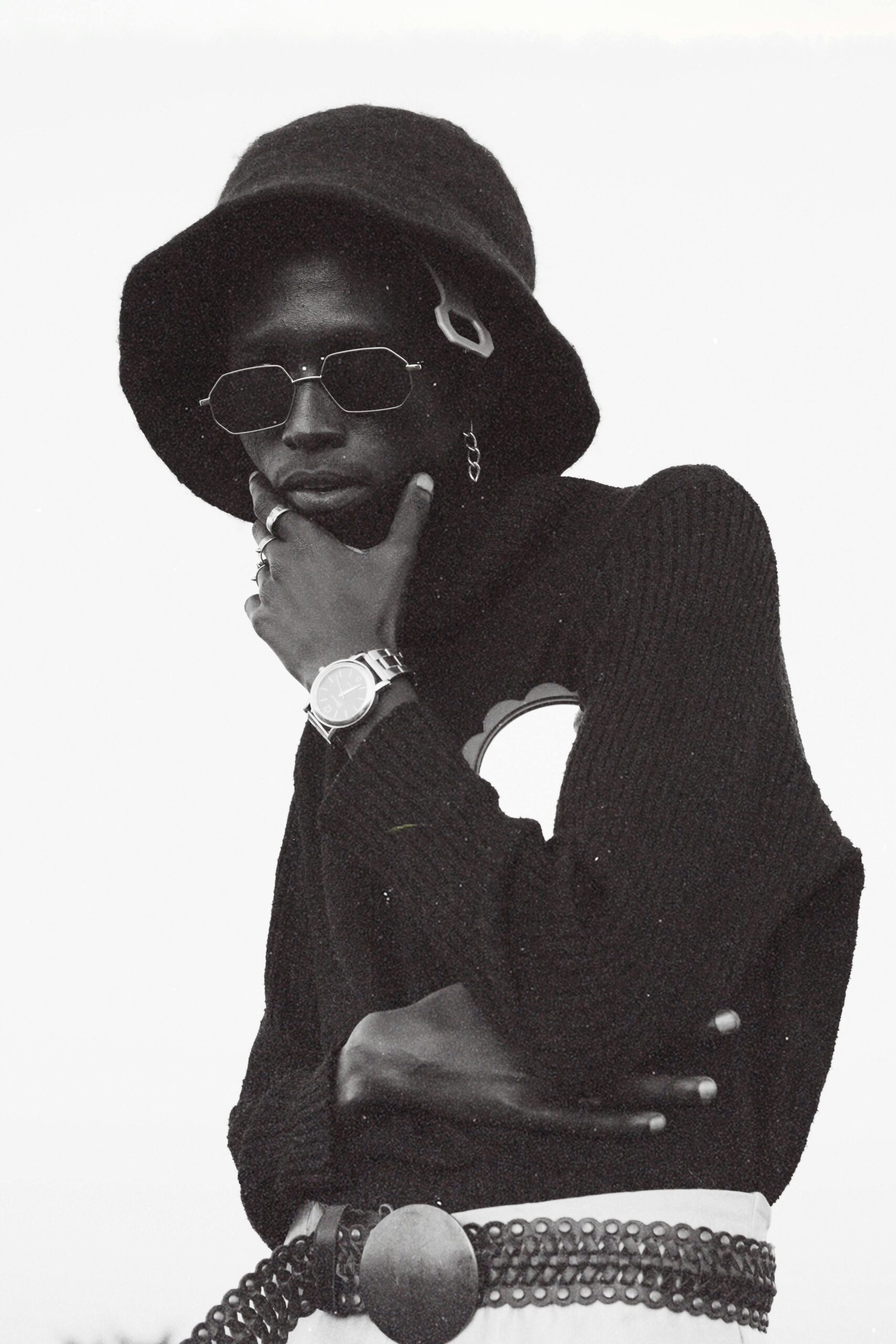
Walk down the streets of Nairobi and you’ll see fashion that’s as bold and dynamic as the city itself. It’s a place where sneakers meet shukas, and blazers get paired with kitenge prints. Nairobi fashionistas have mastered the art of mixing Western trends with Kenyan tradition — and the result is nothing short of head-turning.
You’ll spot a classic denim jacket styled with a bold Maasai blanket scarf, or sharp office wear made playful with bright kitenge trousers. Even accessories make a statement — chunky beaded necklaces or leather bags that feel both traditional and modern at the same time.
What makes Nairobi street style so cool is the fearlessness. People aren’t afraid to go bold with colors, prints, or oversized statement pieces. It’s fashion with personality — rooted in culture, but always evolving.
Nairobi proves one thing: tradition doesn’t have to stay in the past. It can live right on the runway of everyday life.
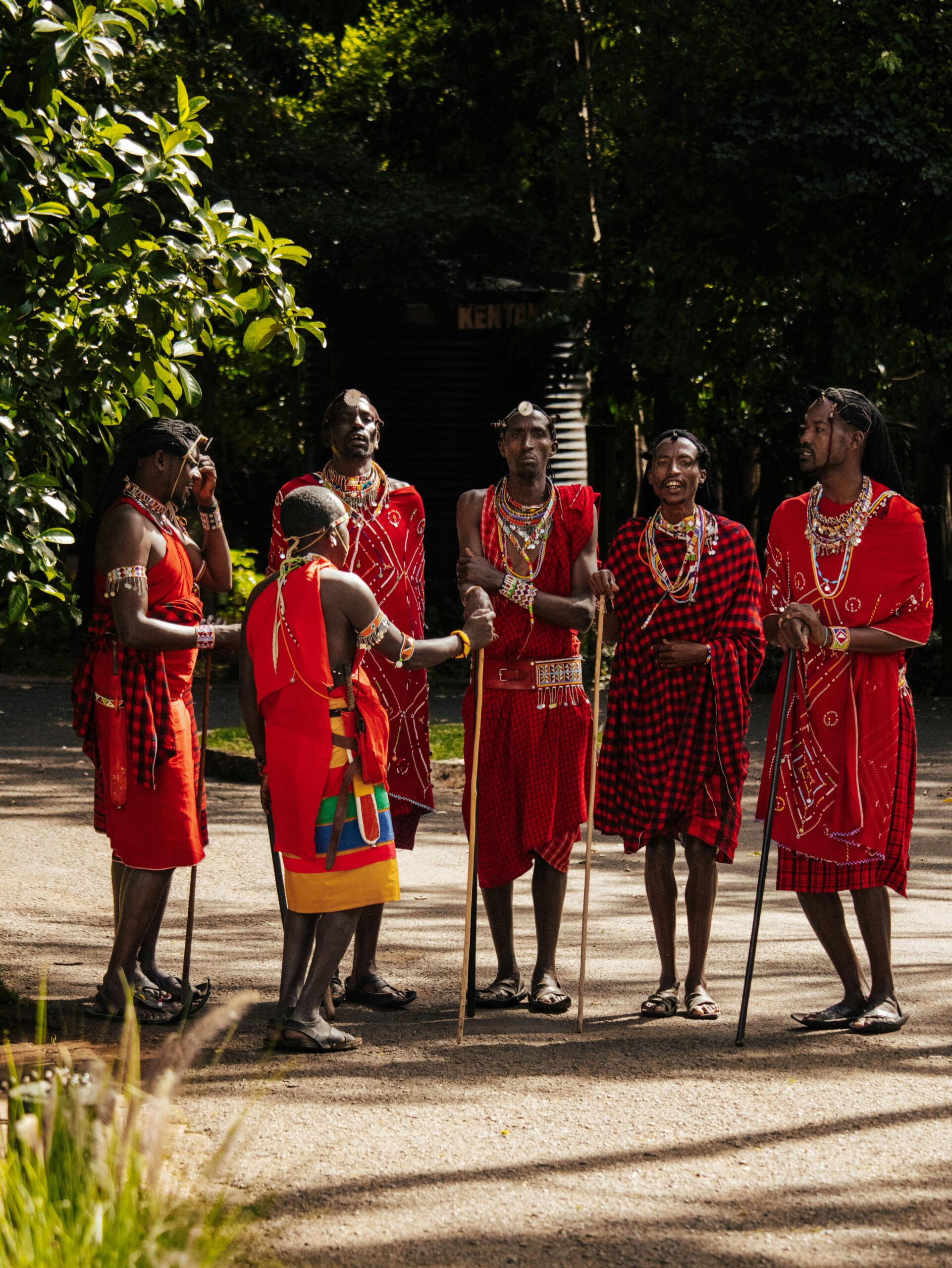
When it comes to iconic African fashion, the Maasai and Samburu tribes are in a league of their own. Their style isn’t just about looking good (though, wow, do they look good) — it’s also about history, culture, and identity.
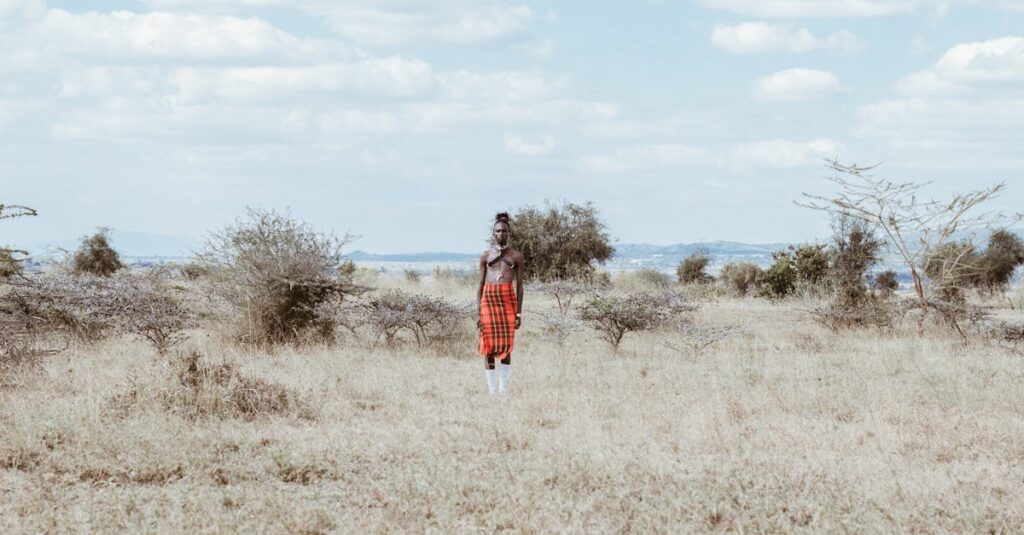
The Maasai, famous for their bright red shúkàs (those striking checkered cloths), believe red symbolizes bravery and protection. You’ll often see them wrapped in layers of red and blue, standing tall against the plains of Kenya and Tanzania. Historically, the shúkà wasn’t always red — it was actually introduced in the 19th century through trade with the Scottish, who brought the bold checked cloth we now associate with Maasai style. Talk about global fashion influence!
The Samburu, close cousins of the Maasai, are beadwork royalty. Their intricate necklaces, bracelets, and headpieces are more than just accessories — they tell stories. Beads can reveal age, social status, or even if someone’s getting ready to marry. And here’s the fun part: bead colors all have meaning. White beads = purity, blue = the sky, and red (of course) = strength and unity.
Both tribes wear their fashion as a living language — every color, every piece of jewelry carries meaning. It’s no wonder global designers look to Maasai and Samburu aesthetics for inspiration.
So the next time you see a bold red wrap or a layered beaded necklace, know this: it’s more than a look. It’s history, identity, and pure fashion magic.